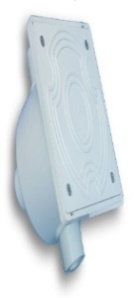
Safety Isolating Transformer
Product Code: T-1-300
Category: Transformers
Safety isolating transformer, 200 W, for underwater lights in swimming pools, fountains and spas. It steps the mains supply down to 12 V through a galvanically isolated winding, so no mains potential can reach the water even if a lamp seal fails — the arrangement required by pool-lighting safety practice. 200 W carries five 36 W lamps or eleven 18 W lamps at the arithmetic limit; specify to about 80 per cent of the rating for margin, so four 36 W or ten 18 W lamps per unit. Add the lamp wattages and divide by 200, rounding up, to get the number of transformers. Install in a dry, ventilated enclosure at the distance from the pool edge that local electrical rules require, and protect the primary side with an RCD.
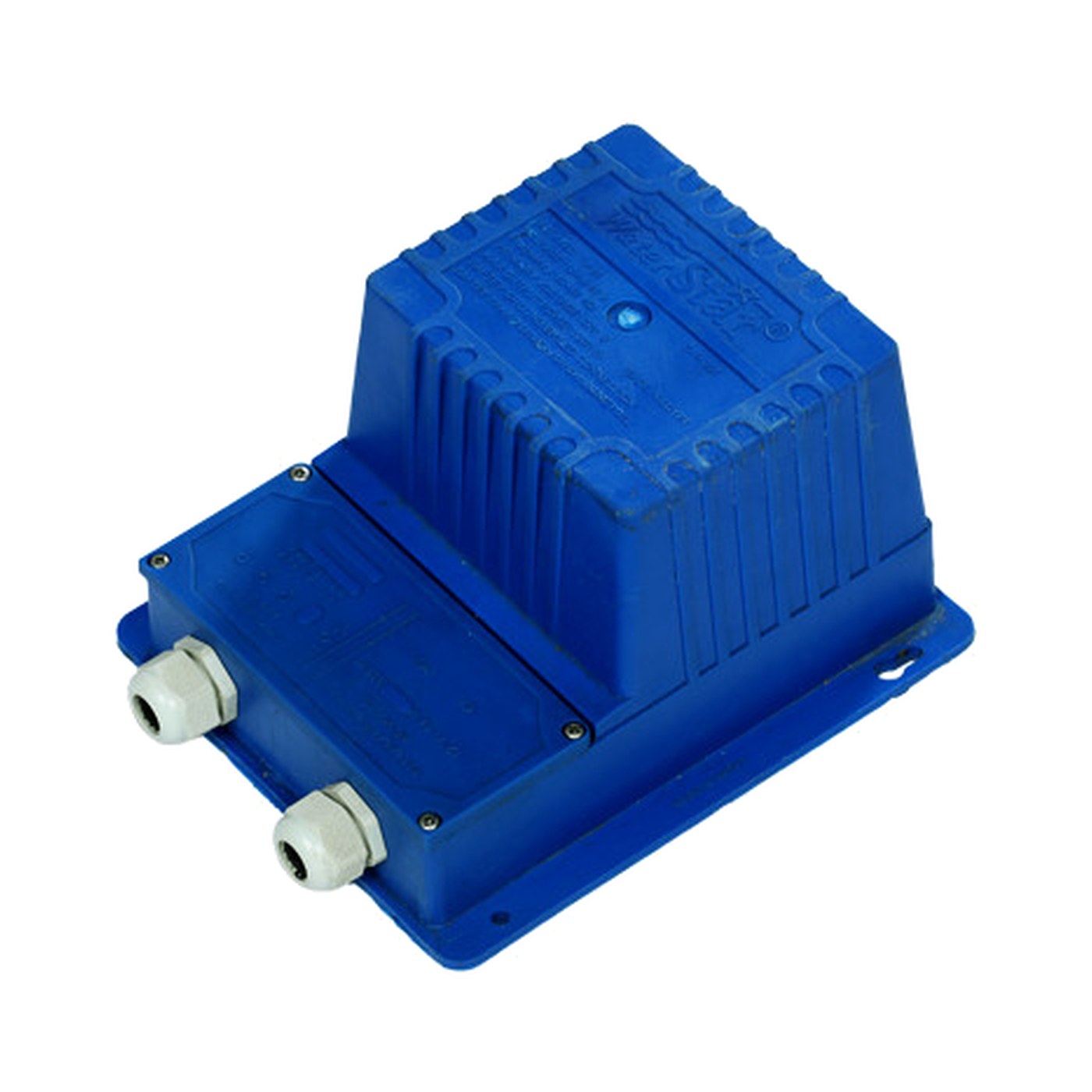
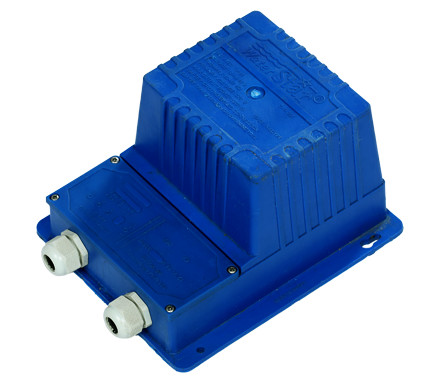
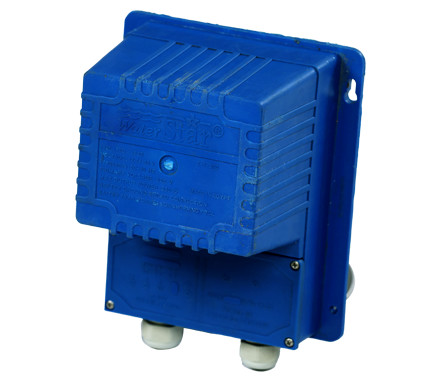
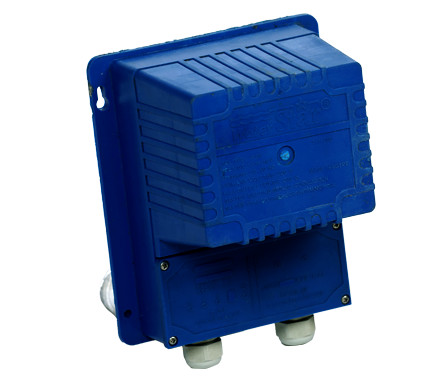
Specifications
| Input | 220 V |
|---|
| Casing | Plastic |
|---|
| Output | 12–14 V |
|---|
| Application | Underwater lighting in pools, fountains and spas |
|---|
| Rated power | 200 W |
|---|
Volume: 0.003 m³
Availability: In stock
Buy this product online at shop.waterstarpools.com
Frequently asked questions
Why does pool lighting need a safety isolating transformer?
Because the light sits permanently under water within reach of swimmers. The transformer steps 220 V down to 12–14 V through a galvanically isolated winding, so no mains potential can reach the water even if a lamp seal fails. That is the arrangement required by pool-lighting safety practice; an ordinary power supply or driver does not give the same isolation.
How many lights per transformer?
The T-1-300 is rated 200 W: five 36 W or eleven 18 W lamps at the arithmetic limit. Specify to about 80 per cent of the rating — four 36 W or eight 18 W per transformer — and add transformers rather than overloading one.
Where should the transformer be installed?
In a dry, ventilated location such as the plant room or a wall cabinet, well away from the pool edge and never in the light niche or a wet pit. The 12 V side runs to a waterproof junction box above the waterline and from there to each light.
Why is the output 12–14 V and not exactly 12 V?
The slightly higher tap compensates for voltage drop along the cable run, so the lamp still receives close to 12 V at the fitting. Keep runs short and use the cable size the installer's tables give for the lamp current.